Most Travellers Think Hill Inlet And Whitehaven Beach Are The Same Place — They Are Not
This is one of the biggest misunderstandings in the Whitsundays.
Travellers see photographs of swirling white silica sand online and assume:
that is simply “Whitehaven Beach.”
But many of the famous images travellers associate with Whitehaven Beach are actually:
Hill Inlet.
And misunderstanding the difference is one of the main reasons visitors accidentally book the wrong Whitsundays experience.
Because Whitehaven Beach and Hill Inlet are connected:
but they feel completely different once you are actually there.
Whitehaven Beach is the long stretch of white silica sand running along Whitsunday Island itself. It is where travellers:
- walk barefoot along the shoreline
- swim in turquoise water
- relax on the beach
- spend time ashore
- and experience one of Australia’s most iconic coastal landscapes.
Hill Inlet sits at the northern end of Whitehaven Beach. It is the tidal estuary where shifting water moves through white silica sandbanks, creating the famous swirling patterns seen in aerial photographs.
And importantly:
not every Whitehaven Beach tour includes Hill Inlet.
Some tours focus more on:
- South Whitehaven Beach
- swimming
- beach time
- snorkelling
- and slower island pacing.
Others prioritise:
- Tongue Bay
- the Hill Inlet lookout walk
- scenic photography
- and aerial-style sightseeing.
Some itineraries combine both.
Others reveal the entire landscape from the air by:
- helicopter
- seaplane
- or scenic flight.
This distinction matters enormously before booking.
Because some travellers leave the Whitsundays feeling:
they experienced one of the most extraordinary marine landscapes in Australia.
While others later realise:
they booked the wrong style of day for the experience they actually wanted.
Travellers planning a visit should first understand how Hill Inlet, Whitehaven Beach, Tongue Bay, South Whitehaven and the wider Whitsunday Islands system connect before choosing a day tour, sailing itinerary, scenic flight or private charter.
Before choosing a tour, travellers should also understand:
- the best ways to experience Whitehaven Beach
- the best time to visit Hill Inlet and Whitehaven Beach
- and the difference between North Whitehaven Beach and South Whitehaven Beach.
This guide explains:
- how to visit Hill Inlet and Whitehaven Beach properly
- which tours suit different travellers
- the Hill Inlet lookout walk
- South Whitehaven lookout
- the best tides for the swirling sands
- wildlife commonly seen around the inlet
- scenic flights and sailing tours
- and the mistakes travellers most commonly regret after booking.
Hill Inlet And Whitehaven Beach — The Difference Travellers Need To Understand First

Hill Inlet and Whitehaven Beach are part of the same world-famous Whitsundays landscape, but they deliver different experiences.
Whitehaven Beach is:
the beach.
Hill Inlet is:
the tidal estuary and lookout area at the northern end of Whitehaven Beach.
South Whitehaven Beach is where many travellers spend time:
- swimming
- walking
- relaxing
and experiencing the broader beach itself.
North Whitehaven and Hill Inlet are where travellers usually experience:
- the famous swirling sands
- lookout photography
- Tongue Bay access
- tidal scenery
- and aerial-style views.
This means:
a tour can still be beautiful and well-run while missing the exact experience a traveller expected beforehand.
Choose Hill Inlet If You Want:
- the famous swirling sands
- lookout photography
- tidal scenery
- elevated views
- aerial-style landscapes
- changing inlet patterns
- and the iconic Whitsundays imagery.
Choose South Whitehaven If You Want:
- longer beach time
- swimming
- quieter atmosphere
- broader shoreline walking
- beach relaxation
- picnic-style experiences
- and slower island pacing.
Choose A Tour Combining Both If You Want:
- the complete Whitehaven experience
- lookout photography
- beach immersion
- swimming
- and a better understanding of how the entire Whitsundays landscape connects.
Travellers wanting the clearest comparison should also read the guide explaining the difference between Hill Inlet and Whitehaven Beach.
What Is Hill Inlet?

Hill Inlet is a tidal estuary at the northern end of Whitehaven Beach on Whitsunday Island.
It is famous because tides constantly move through white silica sandbanks, creating shifting:
- turquoise channels
- white sand patterns
- deeper blue water sections
- and changing tidal formations.
This is why Hill Inlet rarely looks exactly the same twice.
And this is why:
timing matters.
At:
lower tides
more sandbanks become exposed and the swirling formations often appear sharper and more defined.
At:
higher tides
more water moves through the inlet, softening the patterns into broader turquoise channels.
This is one reason experienced:
- skippers
- pilots
- photographers
- and local operators
pay close attention to tide timing before visiting Hill Inlet.
Best Conditions For Seeing The Swirling Sands
Many local operators and photographers prefer:
- mid-to-low tide
- clearer skies
- calmer winds
- and softer morning light.
Because these conditions often create:
- stronger contrast
- clearer silica definition
- and more visible tidal movement.
Very low tides can sometimes expose so much sand that parts of the inlet appear visually flatter from the lookout.
Mid tide often provides:
- stronger shape
- visible water movement
- and clearer contrast between silica sandbanks and turquoise channels.
But Hill Inlet is not a static viewpoint.
It is a moving tidal system.
That is part of what makes it extraordinary.
Hill Inlet Is Not Just A Lookout — It Is A Living Tidal Ecosystem

This is the detail many generic travel guides completely miss.
Hill Inlet is not simply:
a photograph.
It is a constantly moving tidal environment.
Down near the inlet and northern shoreline:
- stingrays sometimes glide through the shallows
- blue soldier crabs move across exposed sandbanks
- wading birds forage along tidal flats
- and schools of small fish move through narrow channels during changing tides.
In calmer conditions, the inlet can feel less like a tourist viewpoint and more like a living marine nursery.
This becomes especially noticeable:
- earlier in the morning
- later in the afternoon
- or once many day-tour vessels begin leaving the area.
Experienced guides often time visits around:
- quieter tide windows
- softer light
- and reduced vessel traffic
because the atmosphere changes dramatically once the inlet becomes less crowded.
This is one reason overnight sailing and private charters often feel completely different to fast-paced sightseeing itineraries.
What Is Whitehaven Beach?

Whitehaven Beach is the seven-kilometre silica sand beach stretching along Whitsunday Island.
It is famous for:
- pure white silica sand
- turquoise water
- island scenery
- long beach walks
- swimming
- national park protection
- and remaining largely undeveloped.
Whitehaven Beach is not:
a resort beach.
There are:
- no high-rise buildings
- no beach clubs
- no large commercial development
- and no permanent tourism infrastructure along the shoreline.
Its beauty comes from:
remaining natural.
This is one reason Whitehaven feels dramatically different from many famous international beaches.
The experience is built around:
- the landscape
- the island environment
- and the marine setting itself.
South Whitehaven Beach Feels Different To Hill Inlet
South Whitehaven often feels:
- quieter
- broader
- slower
- and more immersive.
This is where many travellers:
- spend longer on the sand
- swim
- relax
- paddleboard
- picnic
- and walk the shoreline itself.
Luxury charters often prefer South Whitehaven later in the afternoon because many shorter itineraries never travel far enough south along the beach.
That can make the southern end feel dramatically quieter than Tongue Bay during busy periods.
Travellers wanting a broader overview should also read the complete guide to Whitehaven Beach and Hill Inlet.
The Hill Inlet Lookout Walk — What Most Travellers Should Know Before Booking

Most travellers access the Hill Inlet lookout via:
Tongue Bay.
Vessels anchor or moor in Tongue Bay before guests are transferred ashore and guided along the walking track toward the lookout platforms above the inlet.
The Hill Inlet lookout walk is approximately:
1.3km return.
Most tours allow around:
30–40 minutes walking time.
The walk is relatively short.
But it is not completely flat.
Travellers should expect:
- stairs
- uneven surfaces
- uphill sections
- timber boardwalks
- exposed tropical heat
- and natural bushland tracks.
Is The Hill Inlet Walk Suitable For Older Travellers?
For many older travellers:
yes.
But suitability depends on:
- mobility
- balance
- fitness
- comfort with stairs
- heat tolerance
- and overall pacing within the itinerary.
Many older guests complete the walk comfortably when:
- taking their time
- wearing suitable footwear
- carrying water
- and choosing cooler touring months.
However:
the walk is not ideal for travellers with:
- significant mobility limitations
- severe knee problems
- balance concerns
- or difficulty with stairs.
Is The Hill Inlet Walk Suitable For Young Children?
Many children complete the walk comfortably with supervision.
Parents should still consider:
- heat
- humidity
- tiredness
- uneven surfaces
- and whether younger children may need carrying assistance.
Is Hill Inlet Wheelchair Accessible?
No wheelchair-accessible facilities are currently listed for the Hill Inlet lookout track.
Travellers requiring wheelchair access should discuss alternative sightseeing options before booking.
What You Actually See From Hill Inlet Lookout

The Hill Inlet lookout is not simply:
a view of a beach.
It is a view across:
- a moving tidal system
- shifting silica sandbanks
- turquoise channels
- Whitsunday Island coastline
- and surrounding island passages.
From the platforms, travellers look across:
- Hill Inlet
- North Whitehaven
- Tongue Bay
- tidal channels
- surrounding islands
- and sections of the Whitsunday passage system.
The view changes constantly.
At:
lower tides
more silica sandbanks become exposed.
At:
higher tides
broader water channels soften the inlet into sweeping turquoise patterns.
Cloud cover changes:
- reflections
- colour depth
- and contrast.
This is why:
no two photographs ever look identical.
Hill Inlet is not:
a fixed attraction.
It is:
a constantly changing marine landscape.
And that unpredictability is part of what makes it extraordinary.
Can You Walk On The Beach At Hill Inlet?

Yes.
Depending on your tour and tide conditions, travellers may spend time walking near:
- the northern end of Whitehaven Beach
- Hill Inlet shoreline sections
- and the tidal flats around the inlet itself.
This is often one of the most memorable parts of the experience.
The silica sand feels remarkably soft underfoot. Shallow water moves across exposed channels. In calmer conditions, stingrays may move through the shallows while blue soldier crabs scatter across the sandbanks.
This is the detail many generic tourism pages miss.
- Hill Inlet is not only about:
- the photograph from above.
It is also about:
walking through a tidal landscape that constantly changes beneath your feet.
However:
not every tour allows extended beach time around Hill Inlet itself.
Some itineraries prioritise:
- the lookout walk
- snorkelling
- scenic cruising
- or additional beach stops.
Travellers wanting:
- longer northern beach access
- quieter inlet experiences
- or more flexible timing
should compare:
- overnight sailing
- smaller group itineraries
- and private yacht charters
carefully before booking.
South Whitehaven Beach And The South Whitehaven Lookout

South Whitehaven deserves significantly more attention than many travellers realise.
While Hill Inlet delivers:
- the famous swirl imagery
- lookout photography
- and tidal scenery,
South Whitehaven delivers:
- beach immersion
- quieter atmosphere
- swimming
- shoreline walking
- and broader beach experiences.
This is where many travellers spend more time:
- relaxing
- swimming
- paddleboarding
- beach walking
- and enjoying uninterrupted shoreline space.
The South Whitehaven lookout is reached via a walk through:
- native bushland
- island vegetation
- and rainforest-style sections of Whitsunday Island National Park.
The lookout reveals:
- the curve of Whitehaven Beach
- Chance Bay
- surrounding Whitsunday islands
- and the scale of the island itself.
Hill Inlet lookout shows:
the tidal system.
South Whitehaven lookout shows:
the broader beach landscape.
For travellers wanting to properly understand Whitehaven Beach:
both perspectives matter.
North Whitehaven Beach vs South Whitehaven Beach

North Whitehaven and South Whitehaven feel completely different once you are physically there.
North Whitehaven Is Best For:
- Hill Inlet
- Tongue Bay access
- lookout walks
- tidal scenery
- photography
- wildlife in the shallows
- aerial-style views.
South Whitehaven Is Best For:
- longer beach time
- swimming
- relaxing
- beach walking
- quieter conditions
- South Whitehaven lookout
- luxury beach experiences.
Neither is:
“better.”
They simply suit:
different traveller expectations.
Travellers wanting:
- the complete Whitehaven experience
- both lookout systems
- beach immersion
- and stronger understanding of the island itself
should choose itineraries allowing enough time to experience:
both.
Best Tide To See The Swirling Sands At Hill Inlet

The swirling sands at Hill Inlet are shaped by:
the tide.
In general:
- mid tide often creates the strongest balance between exposed silica and moving water
- lower tide can reveal sharper sandbank definition
- higher tide creates broader turquoise channels
- softer light often improves colour contrast
- cloud movement can reduce glare and add depth.
Many travellers ask for:
“the perfect tide.”
But Hill Inlet is not:
that predictable.
The inlet changes constantly depending on:
- tide height
- weather
- cloud cover
- wind
- and sunlight angle.
This is why experienced operators often plan around:
- tide timing
- quieter visitor periods
- and changing weather windows
rather than simply arriving during the busiest sightseeing hours.
During peak Whitsundays season, experienced crews often avoid the busiest late-morning periods when multiple day-tour vessels may arrive at Tongue Bay simultaneously.
This is one reason:
- overnight charters
- private yacht itineraries
- and premium sailing experiences
often feel dramatically different to faster sightseeing tours.
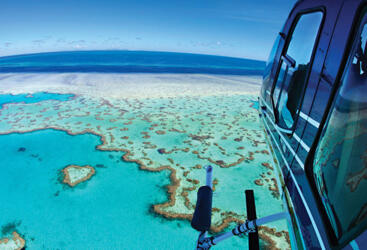
Why Aerial Views Of Hill Inlet Are Completely Different

Seeing Hill Inlet from the lookout is beautiful.
Seeing it from the air is:
completely different.
From the lookout, travellers see:
one elevated land-based perspective.
From the air, travellers see:
- the full curve of Whitehaven Beach
- the entire Hill Inlet tidal system
- surrounding Whitsunday Islands
- reef-edge colour changes
- deeper Coral Sea channels
- and the scale of Whitsunday Island itself.
This is why many travellers later say:
the Whitsundays finally made sense once they saw it from above.
Travellers considering aerial experiences should also read the guide explaining whether you can fly to Whitehaven Beach.
Whitehaven Beach and Hill Inlet helicopter tours and scenic flights
Best Ways To Visit Hill Inlet And Whitehaven Beach

There is no single best way to visit Hill Inlet and Whitehaven Beach.
There is only:
the best option for the experience you actually want.
Choose Full-Day Tours If You Want:
- organised itineraries
- first-time sightseeing
- family convenience
- multiple highlights
- structured day trips
- and shorter stays.
Choose Sailing Tours If You Want:
- slower pacing
- island atmosphere
- quieter anchorages
- sunset conditions
- overnight immersion on a yacht
- and a more emotional Whitsundays experience.
Choose Scenic Flights Or Helicopters If You Want:
- aerial photography
- luxury experiences
- maximum visual impact
- shorter stays
- and the strongest overall perspective of the islands.
Choose Private Charters If You Want:
- flexibility
- privacy
- quieter timing windows
- customised yacht charter itineraries
- luxury service
- and crowd avoidance.
Fast-paced day tours are not always ideal for travellers wanting:
- long uninterrupted beach time
- slower island pacing
- quieter conditions
- or flexible timing around Hill Inlet.
Sailing itineraries are not always ideal for travellers wanting:
- maximum sightseeing efficiency
- shorter travel times
- or highly structured itineraries.
Choosing the wrong tour style is one of the most common reasons travellers later feel disappointed with their Whitehaven experience.
Best Departure Points For Hill Inlet And Whitehaven Beach

Airlie Beach
Airlie Beach offers:
- the largest range of tours
- sailing itineraries
- fast catamarans
- backpacker trips
- and luxury charters.
It suits:
- families
- groups
- backpackers
- and travellers wanting maximum choice.
Getting to Whitehaven Beach from Airlie Beach
Hamilton Island
Hamilton Island is one of the strongest island departure points because travellers are already positioned inside the Whitsunday Islands themselves.
This creates:
- shorter transfers
- easier access to Hill Inlet
- more premium-feeling itineraries
- and less mainland travel time.
Visiting Whitehaven Beach from Hamilton Island
Daydream Island
Daydream Island suits:
- resort guests
- families
- and travellers wanting shorter island logistics.
The key question remains:
whether the itinerary includes:
- Hill Inlet
- South Whitehaven
- or both.
What Most Travellers Regret After Booking

Assuming Every Tour Includes Hill Inlet
This is the most common mistake.
Not every Whitehaven Beach itinerary includes:
- Tongue Bay
- the lookout walk
- or the famous swirling sands.
Not Understanding North vs South Whitehaven
South Whitehaven is best for:
- beach immersion
- swimming
- and quieter atmosphere.
North Whitehaven is best for:
- Hill Inlet
- tidal scenery
- and lookout photography.
Underestimating The Hill Inlet Walk
The walk is manageable for many travellers but still includes:
- stairs
- uneven surfaces
- uphill sections
- and tropical heat.
Choosing Tours Based Only On Price
Travellers should also compare:
- actual beach time
- vessel size
- itinerary pacing
- group size
- and whether Hill Inlet is included.
Expecting Hill Inlet To Look Exactly Like Social Media Photos
Hill Inlet changes constantly depending on:
- tide
- sunlight
- cloud cover
- weather
- and water movement.
That unpredictability is part of what makes it extraordinary.
Frequently Asked Questions About Hill Inlet And Whitehaven Beach

Is Hill Inlet Part Of Whitehaven Beach?
Yes. Hill Inlet is the tidal estuary at the northern end of Whitehaven Beach.
Do All Whitehaven Beach Tours Include Hill Inlet?
No. Travellers should check whether the itinerary includes:
- Tongue Bay
- Hill Inlet lookout
- or South Whitehaven only.
How Long Is The Hill Inlet Lookout Walk?
The walk is approximately:
1.3km return.
Most tours allow:
30–40 minutes walking time.
Is The Hill Inlet Walk Suitable For Older Travellers?
Many older travellers complete the walk comfortably, but it may not suit guests with significant mobility concerns or difficulty with stairs.
Is The Hill Inlet Walk Suitable For Young Children?
Many children manage the walk with supervision, although heat and uneven surfaces should still be considered.
Is Hill Inlet Wheelchair Accessible?
No wheelchair-accessible facilities are currently listed for the lookout track.
What Is The Best Tide To See The Swirling Sands?
Mid-to-low tide often creates the strongest balance between exposed silica sandbanks and moving turquoise channels.
Can You Swim At Hill Inlet?
Swimming usually occurs along Whitehaven Beach itself rather than inside the tidal channels.
Can You See Stingrays At Hill Inlet?
Yes. Stingrays are sometimes seen moving through shallow channels near the inlet.
Does South Whitehaven Beach Have A Lookout?
Yes. The South Whitehaven lookout offers elevated views across:
- Whitehaven Beach
- Chance Bay
- and Whitsunday Island National Park.
Is Morning Or Afternoon Better For Hill Inlet?
Both can be excellent depending on:
- tide timing
- weather
- vessel traffic
- and photography conditions.
Which Tours Spend The Longest At Whitehaven Beach?
Generally:
- overnight sailing
- luxury charters
- and slower itineraries
allow more extended beach experiences than fast-paced sightseeing tours.
Plan Your Hill Inlet & Whitehaven Beach Experience With Barrier Reef Australia

The Barrier Reef Australia team live and work in Queensland and can help travellers compare:
- Whitehaven Beach tours
- Hill Inlet lookout tours
- sailing tours
- scenic flights
- helicopter experiences
- overnight charters
- family-friendly tours
- luxury yacht charters
- Hamilton Island departures
- Airlie Beach departures
- and Daydream Island departures.
Travellers wanting to compare sightseeing cruises, sailing trips, scenic flights and premium Whitsundays experiences should explore the full range of Whitehaven Beach tours available with Barrier Reef Australia.
We are available 7 days a week, excluding Christmas Day, and provide genuine local advice to help travellers choose the right Whitsundays experience for their trip.



 Whatsapp
 Facebook
 Instagram